

A] Introduction
Are you tired of that nagging neck pain that never seems to go away? Cervical spondylosis, also known as neck arthritis, can make even the simplest tasks uncomfortable and frustrating. Many people struggle to find relief and look for natural remedies to ease their discomfort. Ayurveda and yoga offer powerful, time-tested solutions to help manage neck pain effectively. These holistic methods focus on restoring balance, relieving pain, and improving flexibility. By incorporating Ayurveda and yoga into your routine, you can take control of your condition and feel better over time. If neck pain is affecting your daily life, joining yoga classes for neck pain relief is a great way to begin your journey toward healing and comfort.
In this blog, we will explore how Ayurveda and yoga can help manage cervical spondylosis, offering simple yet effective methods for relief.
B] Understanding Cervical Spondylosis
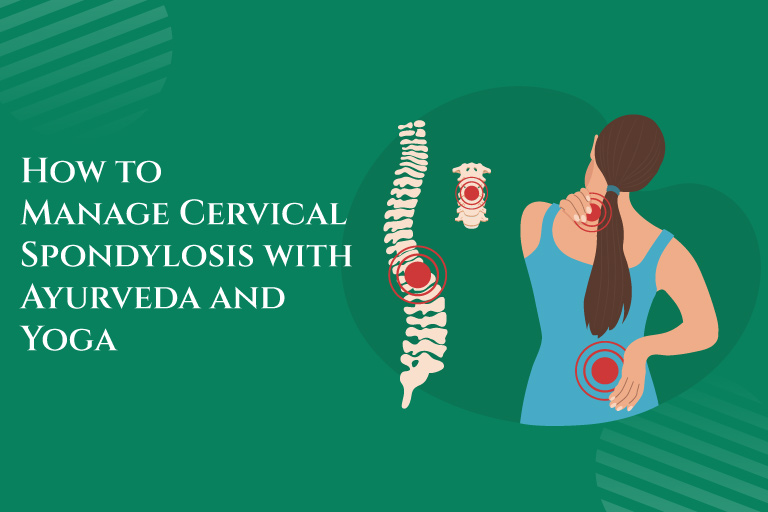
Cervical spondylosis is a condition that happens when the spinal disks in the neckwear down over time. It is common in people over the age of 40, but younger individuals can also experience it. The main symptoms include neck pain, stiffness, and sometimes headaches. If it is not treated, the condition can worsen, leading to more discomfort and mobility issues.
As the spine degenerates, it can lead to complications like bone spurs, herniated discs, and nerve problems. While modern treatments such as physical therapy and medications can help manage symptoms, many people look for natural alternatives. Ayurveda and yoga are popular options that focus on treating the root causes, such as poor posture, imbalance doshas, and stress. These traditional methods help reduce pain, improve flexibility, and restore overall balance in the body. By addressing the underlying issues, Ayurveda and yoga offer a holistic approach to managing cervical spondylosis and preventing it from getting worse.
C] The Ayurvedic Approach to Cervical Spondylosis
- Ayurvedic Herbs for Cervical Spondylosis: Ayurveda uses powerful herbs to reduce inflammation and relieve pain. Herbs like rasna are known for their ability to reduce pain and stiffness, while Guggulu supports joint health. Turmeric is also a key herb, famous for its anti-inflammatory properties that help improve mobility and reduce neck pain.
- Panchakarma Therapies: Panchakarma is a detoxifying treatment that removes toxins from the body. It helps restore balance and promotes healing. This therapy includes several techniques like Vasti, which cleanses the body and helps reduce inflammation, making it easier to manage the condition.
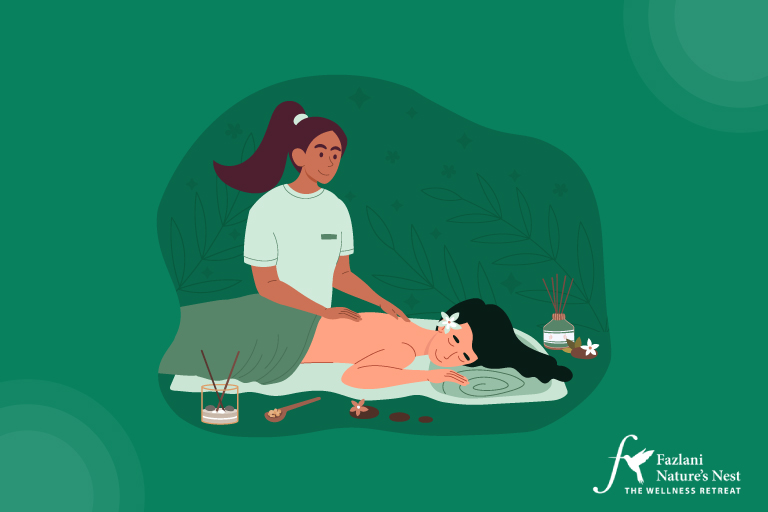
- Greeva Vasti: It is an Ayurvedic therapy that involves retaining warm medicated oil on the neck region to treat pain and stiffness. It is highly effective for conditions like cervical spondylosis, and muscle tension. Its benefits include relieving Neck Pain & Stiffness, Reduces Inflammation, Improves Blood Circulation, Strengthens Neck Muscles & Nerves, and balancing Vata Dosha. This therapy provides deep nourishment, relaxation, and long-term relief from neck-related disorders.
- Sarvanga Abhyanga (Oil Massage): Sarvanga abhyanga involves massaging the body with medicated oils like Mahanarayan oil. This helps reduce stiffness, improve blood circulation, and make the neck muscles more flexible. The oil massage also relaxes the muscles, providing much-needed relief from pain and tension.
- Nasya (Nasal Therapy): Nasya is a nasal treatment that clears toxins from the head and neck area. It helps reduce neck pain, nourishes neck muscles, promote mental clarity, and restore balance in the body.
- Diet and Lifestyle Changes: Ayurvedic practitioners may suggest a diet full of anti-inflammatory foods like fruits, vegetables, and whole grains. They may also recommend avoiding processed foods, alcohol, and excess salt to prevent further inflammation. Along with dietary changes, adopting a lifestyle that includes proper posture and stress management can prevent the symptoms from returning.
Heal Cervical Spondylosis with Ayurveda.
D] Yoga for Cervical Spondylosis Relief
- Best Yoga Poses for Neck Pain: Some of the best yoga poses for neck pain include the Cat-Cow pose, Ardhaushtrasana, Katichakrasana, ardha Chakrasana, Bhujangasana, and Sookshma-Vyayama for the neck. The Cat-Cow pose is great for stretching and strengthening the neck. Sookshma Vyayama for neck gently stretches your neck muscles and can improve movement, making you feel less stiff.
- Neck Pain Relief Exercises: You can also practice simple neck pain relief exercises like neck rotations and shoulder shrugs every day. These movements are easy and can make a big difference. Neck rotations help ease tightness, while shoulder shrugs help relax the neck muscles and improve blood flow, which is important for healing.
- Improved Flexibility and Posture: By practicing these yoga poses and exercises regularly, you’ll notice improved flexibility in your neck and upper back. It also helps with posture, which is essential for preventing neck pain and strain in the future.
- Benefits of Regular Practice: The more you practice yoga, the stronger your neck and upper back muscles will get. This not only helps reduce pain but also prevents future neck issues from popping up.
- Joining Yoga Classes for Beginners: If you’re new to yoga, joining yoga classes for neck pain relief can be really helpful. A good instructor can guide you through the poses, make sure you’re doing them correctly, and help you avoid injury. This way, you’ll get the most out of your practice.
- Long-Term Improvements: By practicing yoga regularly, you’ll see long-term improvements in how you manage cervical spondylosis. It’s a simple, natural approach to improving neck health, reducing pain, and feeling better overall.
E] Combining Ayurveda and Yoga for Optimal Results
Combining Ayurveda and yoga gives you a complete way to manage cervical spondylosis. Simple lifestyle changes like keeping good posture and reducing stress are important for lasting relief. When you add Ayurvedic treatments to your routine, yoga can speed up healing and give better results.
To help cure cervical spondylosis with Ayurveda, it’s important to use specific herbs and change your diet. A diet for cervical spondylosis should focus on anti-inflammatory foods like fresh fruits, vegetables, and whole grains. Drinking enough water and avoiding processed foods can also help your body heal faster.
By combining Ayurveda and yoga, you create a balanced routine that helps both your body and mind. This approach not only relieves symptoms but also boosts your overall health, making it a great way to manage cervical spondylosis.
F] Conclusion
Managing cervical spondylosis with Ayurveda and yoga is a natural and simple way to ease neck pain and improve your well-being. These approaches help reduce discomfort, increase flexibility, and support overall health. By making these practices part of your daily routine, you can find lasting relief and better manage your symptoms.
If you want to take your healing further, consider joining a wellness retreat in india or exploring wellness packages in India. Combining the benefits of Ayurveda and yoga can make a big difference in how you feel and help you live a more comfortable life.