

Comprehensive Healing of Mental Stress, Gut Health, and Pain Management at Case Study at Fazlani Nature’s Nest

Table of Contents

This case describes a 30-year-old guest who arrived at Fazlani Nature’s Nest with high stress, recurrent headaches, abdominal bloating and chronic lower back pain radiating to both thighs. Over seven nights in a structured detox and pain management programme using naturopathic and Ayurvedic therapies, he experienced relief in pain, improvement in gut symptoms and better sleep quality, along with modest changes in body composition.


Case overview

Modern work patterns, long screen time and irregular routines often show up as a mix of mental strain, digestive issues and musculoskeletal pain. This guest’s story reflects that pattern.

He chose a 7-night detox programme at Fazlani Nature’s Nest, an Ayurveda and nature retreat near Mumbai and Pune, seeking a quieter environment and a more joined-up approach to his symptoms.

At admission his main complaints were:

  • Persistent high stress and tension
  • Increased bloating and regurgitation
  • Recurrent headaches
  • Lower back pain radiating to both thighs, rated as VAS 5 (distressing, uncomfortable pain)

Health before Fazlani Nature’s Nest

During consultation, the medical team noted the following:

  • Diagnosis of sciatic pain with radiating discomfort
  • Dyslipidaemia (abnormal blood lipids)
  • Stress-related tension linked to:
    • Irregular sleep
    • Skipping meals
    • Low water intake
    • High work pressure

These factors were contributing to:

  • Tension-type headaches
  • Impaired gut motility and bloating
  • Heightened anxiety and irritability

He was spending much of his day seated, with limited movement and no structured relaxation practices.


Assessment and consultation

The clinical assessment included:

  • Detailed history of pain, headaches, digestive symptoms and sleep
  • Review of existing diagnostic reports and lipid profile
  • Evaluation of posture, range of motion and tenderness along the sciatic pathway
  • Enquiry into work schedule, meal timing, caffeine intake and stress triggers

From a naturopathic and Ayurvedic perspective, his picture suggested:

  • Digestive sluggishness and accumulation of gas
  • Vata aggravation manifesting as nerve pain, variable bowels and disturbed sleep
  • Muscle tension in the lower back and neck–shoulder region related to chronic stress

He was considered suitable for a short residential programme focused on pain relief, gut support and stress reduction, with advice to maintain contact with his primary doctor for lipid management.


Treatment plan at Fazlani Nature’s Nest

The team designed a seven-day plan combining local therapies, whole-body treatments, hydrotherapy, movement and dietary changes.

Local and hydrotherapeutic treatments

To address back pain, nerve irritation and abdominal discomfort:

  • Hot and cold compresses to the abdomen to stimulate local circulation and ease bloating
  • Vibro massage to relax tight muscles and improve local blood flow
  • Colon hydrotherapy where appropriate, under supervision, to support bowel clearance

Whole-body therapies

To release tension and support nervous system calming:

  • Hot stone massage for deep muscle relaxation
  • Shirodhara – continuous flow of warm oil on the forehead to ease mental restlessness
  • Navarakizhi – use of warm medicated rice boluses for nourishing and relaxing stiff tissues
  • Signature body massage tailored to his comfort level

Diet and lifestyle during the retreat

Dietary guidance focused on:

  • A gluten-free, low-fat, protein-rich meal plan
  • Moderate complex carbohydrates and ample vegetables
  • Regular meal timing and increased water intake

Lifestyle and movement support included:

  • Daily therapeutic yoga targeting the spine and hip region
  • Pranayama practices for stress regulation and sleep support
  • Gentle walking in nature to break long periods of sitting

Results after seven days

At the end of his stay, he reported improvements across several domains.

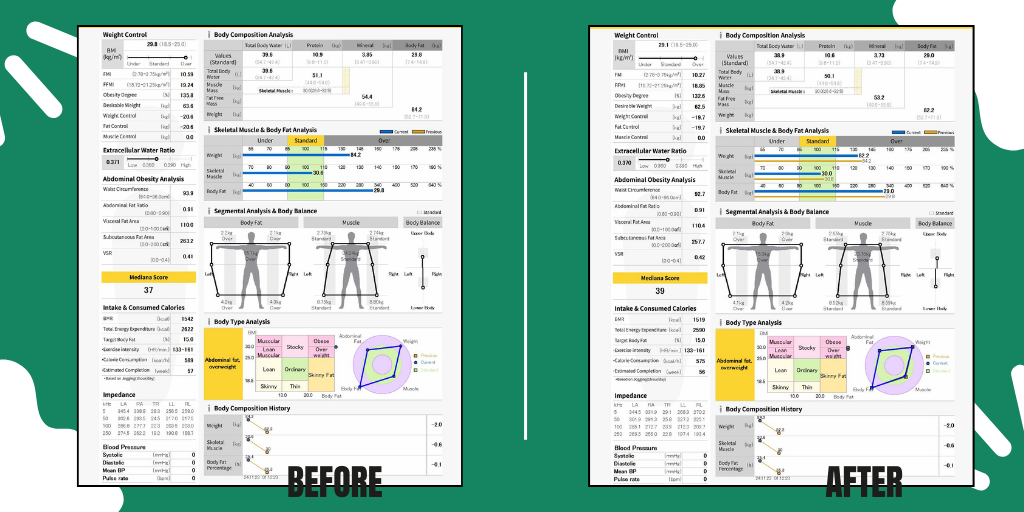
Changes in body composition

  • Weight: 84.2 kg → 82.2 kg
  • BMI: 29.8 → 29.1
  • Fat-free mass: 54.4 kg → 53.2 kg
  • Fat mass: 29.8 kg → 29.0 kg

These short-term shifts show early movement in a positive direction, although longer observation would be needed to assess sustained change and impact on lipid profile.

Symptom and functional changes

The guest reported that:

  • Lower back pain reduced from VAS 5 (distressing, uncomfortable pain) to VAS 3 (nagging pain)
  • Episodes of abdominal bloating and regurgitation became infrequent
  • Headache episodes stopped during the stay
  • Sleep became more continuous, with fewer awakenings and easier sleep onset
  • He felt calmer, less reactive and more hopeful about managing stress at work

He expressed satisfaction with the overall experience and felt more motivated to maintain the new habits after discharge.


Post-stay recommendations and follow-up

To support continued progress, the Fazlani team advised:

  • Maintaining regular meal timings and adequate hydration
  • Continuing a modified version of the yoga and stretching sequence at home
  • Including short daily breathing or relaxation practices, especially before bedtime
  • Monitoring weight and symptom patterns over the following months
  • Following up with his primary doctor to review lipid profile, blood pressure and any need for ongoing or adjusted medication

He was reminded that the retreat is a supportive intervention and does not replace long-term medical follow-up for dyslipidaemia or other cardiovascular risk factors.


What this case suggests

This single case cannot be generalised to all people with stress, gut complaints or sciatic pain. It does indicate that, for a carefully selected guest:

  • A short, structured programme combining naturopathic therapies, Ayurvedic treatments, diet and yoga can reduce pain scores and digestive discomfort
  • Improved sleep and a calmer nervous system may follow when stressors are addressed alongside physical symptoms
  • Retreat time can help guests notice how their routines around food, rest and work intensity influence their pain and gut health

Anyone with persistent pain, neurological symptoms or metabolic risk should seek assessment from a suitable medical specialist. A residential retreat should be seen as an additional layer of care rather than a replacement for clinical treatment.


FAQ: Mental stress, gut health and pain management at Fazlani Nature’s Nest

Start Your Wellness Journey at Fazlani Nature's Nest!

Contact us to explore our exclusive wellness packages

Wellness Retreat Booking