

A] Introduction
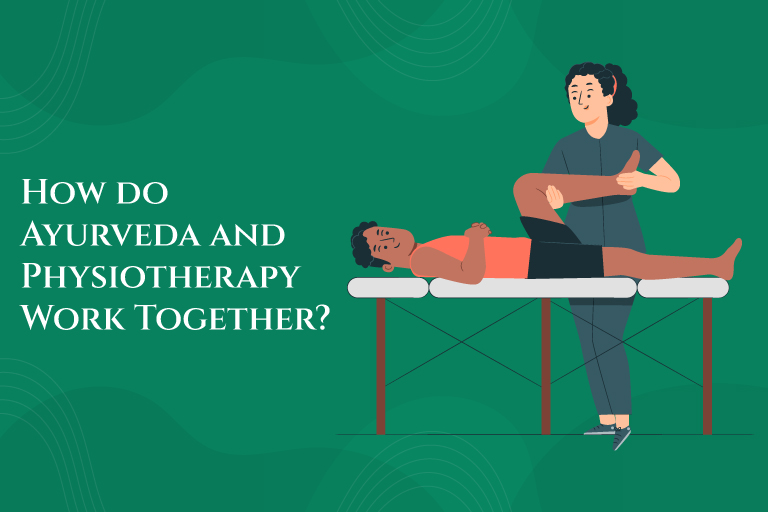
Combination of Ayurveda and physiotherapy is a powerful way to improve health by combining ancient Ayurvedic practices with modern physiotherapy. Blending Ayurvedic treatments like Panchakarma with post-panchakarma personalised physiotherapy exercises offers a complete solution for long-term health and well-being. Physiotherapy when combined with ayurveda is known for its natural and effective methods, making it one of the best physiotherapy treatments in India. It’s becoming more popular for helping people manage pain, move better, and live healthier lives.
B] The Synergy of Ayurveda and Physiotherapy
When combined, Ayurveda and physiotherapy create a powerful approach to healing. It addresses both the root causes and symptoms of many different health conditions.
Ayurveda focuses on getting the balance in the body back through natural remedies, diet, and lifestyle changes. Physiotherapy, after Ayurvedic treatments like Panchakarma, works to improve physical function by strengthening muscles, enhancing mobility, and reducing pain.
This synergy allows for a more complete treatment, where Ayurveda’s holistic therapies detoxify the body, and after the completion of Panchakarma, physiotherapy prepares the body for physical rehabilitation. In India, this integrated approach is recognised as one of the best physiotherapy treatments. It offers patients a path to long-lasting wellness.
Panchakarma physiotherapy, in particular, blends post-Panchakarma physiotherapy exercises with targeted treatments, enhancing the effectiveness of both approaches. By combining these ancient and modern practices, patients can achieve not only immediate relief but also long-term health benefits. It leads to a long, balanced, and pain-free life.
C] Complementary Strengths: How Ayurveda and Physiotherapy Enhance Each Other?
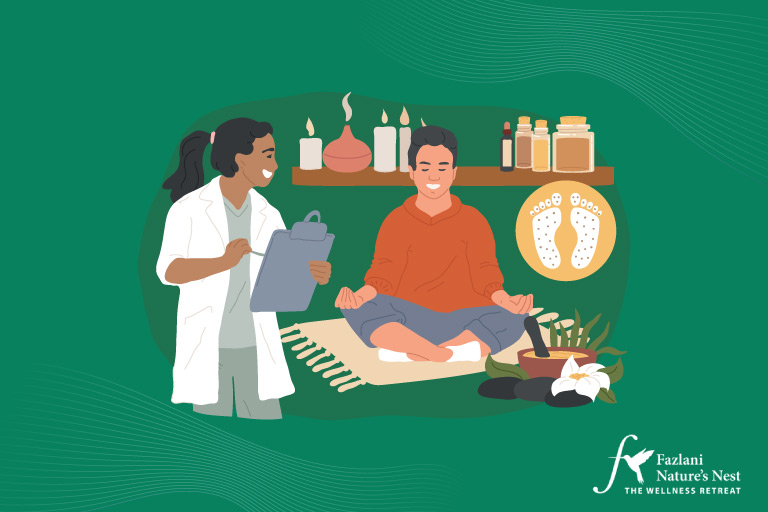
Ayurveda and physiotherapy are powerful when combined, offering a balanced approach to healing. Ayurveda, an ancient Indian practice, focuses on restoring harmony in the body using natural methods like herbal treatments, diet changes, and detox therapies. These methods help reduce inflammation, cleanse the body, and improve overall health. For example, Ayurvedic therapies like Panchakarma cleanse the body, making it more receptive to healing.
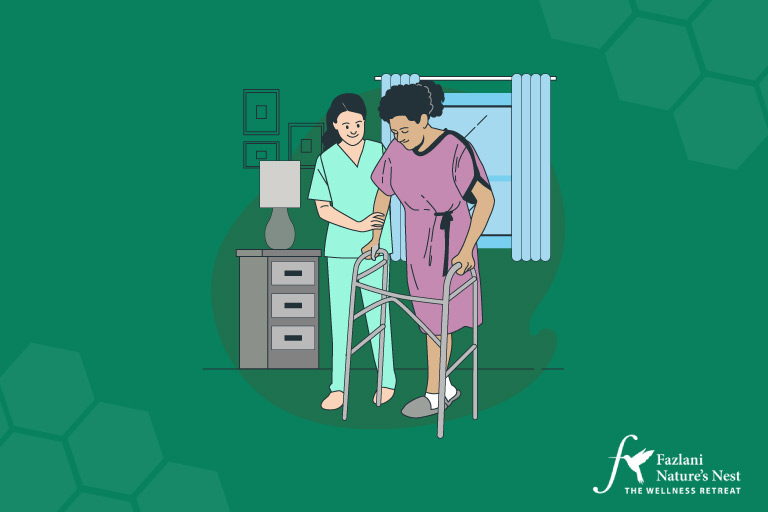
However, during Panchakarma, physiotherapy is not recommended as the body requires rest. Post-Panchakarma, physiotherapy exercises play a significant role in improving movement. Through exercises, stretches, and manual therapies, physiotherapy strengthens muscles, improves joint flexibility, and relieves pain.
The combination of Ayurveda and physiotherapy provides a more complete treatment plan. Ayurveda works on the root causes of health issues, while physiotherapy addresses the physical symptoms. After Panchakarma, together, they help relieve pain, improve movement, and support long-term health by making sure the body is well-balanced and robust. This integration leads to better outcomes and a healthier, more balanced life.
Ayurvedic Solutions for Healthy Periods! Contact Us Now!
D] Key Benefits of Integrating Ayurveda and Physiotherapy
Reduced Inflammation
One of the primary benefits of integrating Ayurveda and physiotherapy is the significant reduction in inflammation. Ayurveda uses herbal remedies, dietary changes, and therapies like Panchakarma will naturally reduce inflammation in the body. After the Panchakarma detox, when physiotherapy is introduced, it uses targeted exercises and manual therapies to promote blood circulation and reduce localised inflammation. This dual approach not only alleviates immediate pain but also addresses the root causes of inflammation, providing long-term relief.
Improved Joint Mobility
Ayurvedic therapies and physiotherapy work hand in hand to improve joint mobility, particularly in conditions like arthritis. Ayurveda offers treatments such as Abhyanga (oil massage) and herbal poultices that relax stiff muscles and improve joint flexibility. Once Panchakarma therapies are completed, physiotherapy exercises focusing on stretching and strengthening the muscles around the joints enhance mobility and reduce stiffness.
Enhanced Pain Management
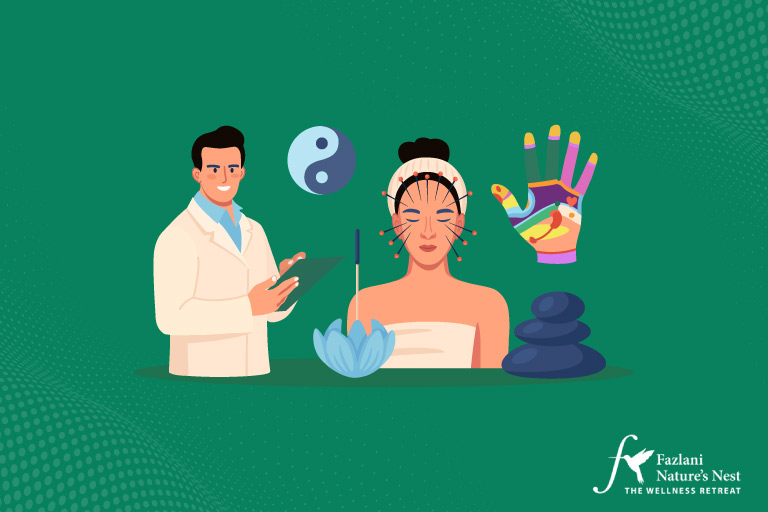
Pain management is another key area where the integration of Ayurveda and physiotherapy shows remarkable results. Ayurvedic treatments like Marma therapy and the application of medicinal oils are known for their pain-relieving properties. Post-Panchakarma, physiotherapy complements this by using techniques such as electrotherapy, heat therapy, and specific exercises to target pain at the source. Together, these approaches provide a comprehensive pain management plan that not only alleviates symptoms but also strengthens the body to prevent future pain episodes.
Comprehensive Wellness
The nature of integrating ayurvedic therapy goes beyond treating specific conditions; it promotes general wellness. Ayurveda emphasises a balanced lifestyle, proper diet, and mental well-being, which are essential for maintaining long-term health. Following Panchakarma, physiotherapy improves strength, flexibility, and endurance, creating a holistic wellness plan that addresses both body and mind.
E] Steps to Integrate Ayurveda and Physiotherapy
Consultation with Practitioners
The first step in integrating Ayurveda and physiotherapy is to consult with qualified practitioners from both fields. A detailed assessment by an Ayurvedic doctor and a physiotherapist will help find the root cause of your health issues. They will evaluate your physical condition, dosha imbalances, and lifestyle factors. This initial consultation ensures that the treatments you receive are tailored to your specific needs with customised wellness holiday packages, making them more effective.
Develop a Comprehensive Treatment Plan
Once your condition has been assessed, the next step is to develop a complete treatment plan. This plan will include Ayurvedic therapies such as Panchakarma, herbal remedies, post-Panchakarma physiotherapy exercises, and techniques. The goal is to address both the underlying imbalances and the physical symptoms.
Monitor Progress
Regular monitoring is crucial to ensure that the integrated treatment is effective. Follow-up sessions with ayurvedic physiotherapy services will allow you to track your progress, adjust therapies as needed, and address any new symptoms. This ongoing evaluation helps to fine-tune the treatment, ensuring continuous improvement and better outcomes.
Maintain a Balanced Lifestyle
Keeping a balanced lifestyle is essential for long-term success. After the Panchakarma phase, incorporating Ayurvedic dietary guidelines and physiotherapy exercises helps maintain overall well-being.
F] Elevate Your Wellness Journey With Fazlani Nature’s Nest: Integrating Ayurveda with the Best Physiotherapy Treatment in India
At Fazlani Nature’s Nest, one of the best physiotherapy retreats in India, we combine the ancient wisdom of Ayurveda with modern advances in physiotherapy to offer a truly holistic healing experience. Our approach integrates personalised Ayurvedic treatments, such as Panchakarma, with the best physiotherapy centers in India, ensuring comprehensive care.
Whether you’re seeking to manage chronic pain, improve joint mobility, or enhance your overall well-being, our expert practitioners at physiotherapy centres near Mumbai work together to create a tailored plan that meets your unique needs. Start your transformative wellness journey with our wellness retreat in India and experience the synergy of Ayurveda and physiotherapy.
G] FAQs
Ayurveda and Physiotherapy complement each other by addressing both the root cause of health issues and the physical symptoms. Ayurveda focuses on balancing the body’s doshas and enhancing internal healing, while physiotherapy works on improving physical function, reducing pain, and increasing mobility.
Yes, combining Ayurveda and physical therapy can enhance recovery by addressing multiple aspects of health simultaneously. Ayurvedic treatments like Panchakarma help detoxify the body and reduce inflammation, while physiotherapy strengthens muscles and improves joint function, leading to faster and more effective recovery.
Conditions like osteoarthritis, rheumatoid arthritis, chronic back pain, joint injuries, and musculoskeletal disorders can be effectively treated with a combination of Ayurveda and Physiotherapy. This integrative approach in ayurvedic wellness centres also benefits those recovering from surgeries or looking to manage chronic pain and improve overall mobility.
Yes, therapies like Panchakarma, Abhyanga (oil massage), and herbal steam treatments are often used alongside physiotherapy. These Ayurvedic therapies help reduce inflammation, improve circulation, and prepare the body for physical exercises. Get holistic packages for physiotherapy treatment to make physiotherapy sessions more effective.
Ayurvedic physiotherapy is most effective when combined with dietary and lifestyle changes. Ayurveda emphasises the importance of a balanced diet, proper sleep, and stress management to support the healing process. Practitioners often recommend specific dietary guidelines and lifestyle adjustments tailored to the individual’s needs.
Absolutely. Physical therapy & wellness can be integrated with other Ayurvedic treatments like herbal remedies, detox programs, and specialised therapies at holistic stay resorts. This comprehensive approach ensures a well-rounded treatment plan that addresses all aspects of health, leading to better outcomes and overall well-being.