

Sleep Maintenance Latency: Mastering Sleep at Fazlani Nature’s Nest

Table of Contents

This case describes a 49-year-old woman who came to Fazlani Nature’s Nest with four years of poor sleep, regular use of sleeping tablets, heel pain and concern about gradual weight gain. Over a 5-night Mastering Sleep programme combining acupuncture, cleansing therapies, massage, yoga breathwork and equine-assisted sessions, she reported more settled sleep without medication, reduced heel pain and a small but meaningful change in weight.


Background: Sleep maintenance latency and the guest’s concerns

Sleep maintenance latency refers to difficulty staying asleep and returning to sleep after waking. For this guest, nights were broken and unrefreshing despite using prescribed sleeping pills.

On arrival she reported:

  • Difficulty maintaining sleep for the past four years
  • Dependence on nightly sleeping pills
  • Heel pain rated 5/10 on the VAS scale
  • Habitual alcohol use around menstruation
  • Desire to reduce weight and feel lighter

She also described feeling more withdrawn and anxious as she approached menopause.


Assessment at Fazlani Nature’s Nest

During consultation, the team noted that she:

  • Had an introverted personality and tended to internalise stress
  • Was experiencing hormonal changes consistent with perimenopause
  • Relied on medication and alcohol to fall asleep
  • Had very irregular wind-down and screen habits at night

The plan was to:

  • Reduce arousal in the nervous system
  • Introduce gentler ways to fall and stay asleep
  • Ease heel pain to make walking more comfortable
  • Begin weight management in a realistic, non-restrictive way

She was accepted into a 5-night Mastering Sleep programme, with the understanding that the retreat complements, not replaces, medical care.


Treatment plan in the Mastering Sleep programme

Core interventions

Her individual plan included:

  • Acupuncture
    • Points selected to support relaxation, balance energy flow and relieve tension.
  • Internal cleansing with neem enemas
    • Gentle detoxification under supervision, aimed at easing digestive discomfort and promoting a sense of lightness.

Additional therapies used during the stay

From Fazlani’s broader sleep and stress offerings, the following were incorporated:

  1. Hot stone massage
    • To relax muscles and ease accumulated tension.
  2. Shirotailadhara
    • An Ayurvedic scalp and forehead oil treatment to calm the mind and support deeper rest.
  3. Garshanam (dry brushing)
    • To stimulate circulation and mild lymphatic drainage.
  4. Equine-assisted sessions
    • Time with horses to encourage emotional grounding, presence and gentle joy.
  5. Pranayama and breathwork
    • Simple breathing techniques practised in the evenings to lengthen exhalation and prepare the body for sleep.

Alongside therapies, staff encouraged:

  • Earlier, lighter evening meals
  • Reduced screen time before bed
  • A consistent bedtime and wake time, even on retreat

Results after 5 nights

Symptom and outcome summary

ParameterBefore programmeAfter programmeComment
Sleep patternBroken sleep, nightly pillsSlept without tablets, fewer awakeningsMore continuous rest reported during stay
Heel pain (VAS)5/103/10Pain still present but less intrusive
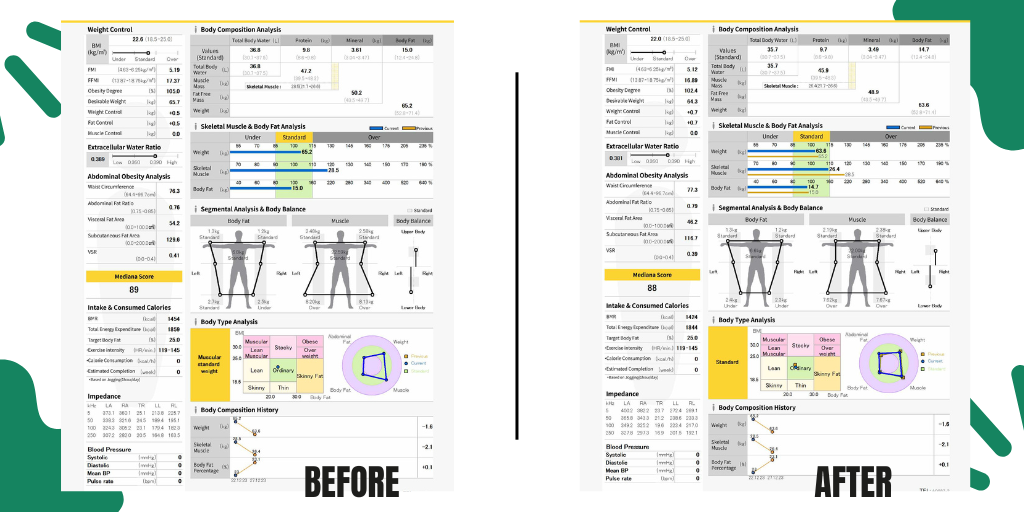
Body weight (kg)65.263.6↓ 1.6 kg
BMI (kg/m²)22.622.0Small shift within the healthy range
Alcohol use around mensesRegularNone during programmeGuest felt more confident avoiding it

These results are short-term and reflect the guest’s experience over a few days in a structured, supportive environment. Long-term maintenance depends on how consistently she can continue the new habits at home and on advice from her usual clinicians.


Reported benefits

By the end of the programme she shared that:

  • She was able to fall asleep and stay asleep without taking her usual sleeping tablet.
  • Heel pain no longer dominated her awareness and allowed easier walking.
  • She felt calmer in the evenings and less driven to use alcohol to cope with premenstrual discomfort.
  • The small reduction in weight helped her feel encouraged rather than defeated.

She also stated that feeling listened to, and having a clear evening routine, made a significant difference to her anxiety about bedtime.


Post-stay guidance and follow-up

To support continued progress, the team recommended:

  • Continuing a consistent sleep schedule with a simple wind-down routine (light reading, gentle stretches, breathwork).
  • Avoiding screens and heavy meals two to three hours before bed.
  • Using the breathing techniques learned on retreat on nights when the mind feels busy.
  • Maintaining moderate daytime activity, including walking or light movement.
  • Speaking with her prescribing doctor about any long-term plan for sleeping medication, and never stopping medicine abruptly without professional advice.
  • Discussing alcohol use and perimenopausal symptoms with her primary care doctor or gynaecologist.

What this case suggests

This single 5-night case cannot be taken as proof that similar results will occur for everyone with sleep maintenance problems. It does suggest that:

  • A short, structured sleep-focused retreat may help some guests experience medication-free sleep in a safe, supervised setting.
  • Addressing stress, hormonal change, body pain and evening routines together is often more effective than looking at sleep in isolation.
  • Complementary approaches such as acupuncture, massage, equine interaction and breathwork can be integrated with conventional medical care when planned thoughtfully.

Anyone with longstanding insomnia, heavy alcohol use, depression, or complex medical conditions should seek guidance from their doctor or a sleep specialist before making major changes to medication or attempting intensive programmes.


FAQ: Sleep programmes at Fazlani Nature’s Nest

Start Your Wellness Journey at Fazlani Nature's Nest!

Contact us to explore our exclusive wellness packages

Wellness Retreat Booking