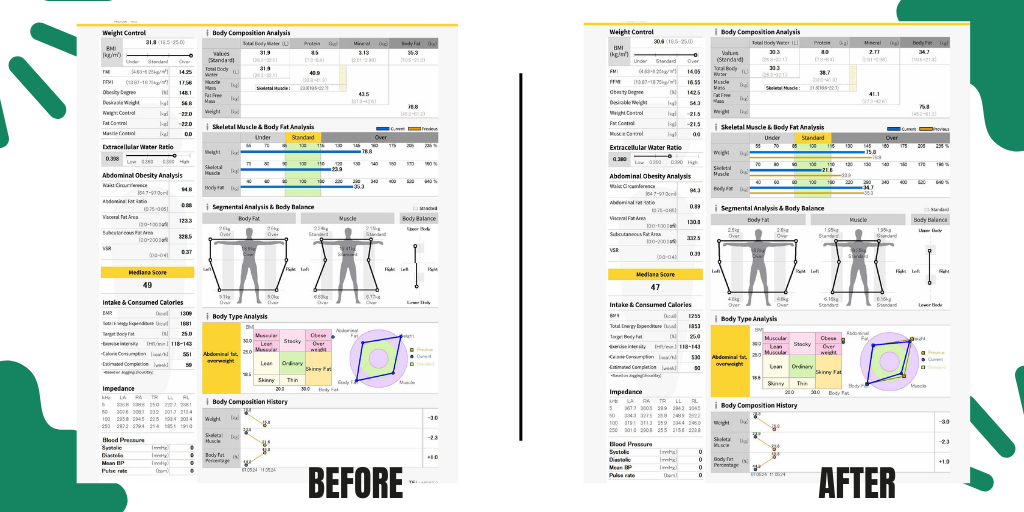


This case describes a 69-year-old woman recovering from endometrial adenocarcinoma who visited Fazlani Nature’s Nest after a total hysterectomy. She was looking for support with fatigue, digestive discomfort, weight gain and burning urination as she adjusted to life after cancer surgery. Over a focused five-night rehabilitation stay using naturopathic therapies, gentle movement and diet, she reported feeling lighter and more comfortable, with modest improvements in body composition and urinary symptoms.
Case overview
Cancer treatment often involves major surgery, chemotherapy, radiotherapy or a combination of these, which can leave patients with weakened immunity, reduced strength and changes in digestion and mood. Post-treatment rehabilitation aims to help people regain confidence in their bodies and ease some of the lingering side effects.
This guest chose Fazlani Nature’s Nest Ayurvedic Centre, near Mumbai and Pune, for a short rehabilitation programme to complement the care she continued to receive from her oncology team.
Health before Fazlani Nature’s Nest
Cancer history and recent treatment
- Diagnosis: Endometrial adenocarcinoma
- Treatment: Total hysterectomy performed two months prior to arrival
- Ongoing follow-up with her oncologist
Other concerns at admission
- Irregular bowel movements with bloating
- Weight gain and a sense of heaviness, partly in the context of hypothyroidism
- Burning micturition (painful, burning sensation while passing urine)
- General fatigue and reduced activity
From a naturopathic perspective, this picture suggested:
- Impaired metabolism after major surgery
- A taxed immune system
- Sluggish digestion and disturbed gut flora
- Emotional and physical strain following the cancer experience
She wished to feel more at ease in her body and to learn practical habits she could maintain at home, without interfering with her oncology treatment plan.
Assessment and consultation
At the start of the programme, the team carried out:
- Detailed review of her cancer history, surgery, current medications and planned oncological follow-up
- Enquiry about urinary symptoms, bowel habits, appetite and sleep
- Basic physical examination, including weight and body composition
- Discussion of energy levels, mood and daily routine at home
It was confirmed that:
- She had no open surgical wounds and was past the immediate post-operative phase
- There were no active signs of infection or uncontrolled medical issues that would prevent participation in gentle therapies
- Her primary goals were to reduce bloating and burning micturition, feel lighter and regain some flexibility
A five-night post-cancer exercise and rehabilitation plan was agreed upon, with the clear understanding that it was supportive and not a substitute for oncological care.
Rehabilitation plan at Fazlani Nature’s Nest
Movement and breathing
To rebuild confidence in movement without straining recent surgical areas:
- Therapeutic yoga sessions were tailored to her comfort, focusing on gentle stretching, joint mobility and breathing coordination.
- Pranayama and breathing exercises supported relaxation and oxygenation.
- Light walking in the retreat grounds was encouraged as tolerated.
Local naturopathic applications and hydrotherapy
To support circulation, comfort and detox pathways, the programme included:
- Local wraps and packs targeting areas of tension and discomfort
- Selected detox baths to promote relaxation and circulation
- Neem enemas, used cautiously in consultation with the medical team, to support bowel clearance and gut health in this specific case
These therapies were chosen and adjusted daily based on her energy levels and response.
Diet and herbal support
Nutrition played an important role in her plan:
- A high-protein, moderate-carbohydrate, low-fat diet was provided to support healing and maintain lean tissue.
- Meals were rich in vegetables and natural antioxidants.
- A gentle herbal decoction was served daily with the aim of supporting urinary comfort and digestion.
All dietary choices were made with her recent surgery and hypothyroidism in mind, and she was advised to discuss any long-term diet changes with her doctors.
Results after five nights
Body composition
During her short stay, the following changes were recorded:
- Weight: 83.2 kg → 82.4 kg (reduction of 0.8 kg)
- Body fat percentage: 41.3% → 40.4%
These are modest yet encouraging shifts over a brief period and should be seen as early progress rather than a complete outcome.
Symptom changes and functional progress
The guest reported that by the end of the programme:
- She felt lighter and more flexible, with greater ease in everyday movements.
- Bloating had reduced significantly, and bowel movements were more regular.
- The burning sensation during urination decreased, making daily life more comfortable.
- She felt emotionally calmer and more optimistic about her recovery path.
She expressed that having a structured environment, regular gentle exercise and supportive guidance helped her feel more in control after a long and stressful medical journey.
Recommendations after discharge
To continue the benefits at home, the Fazlani team suggested:
- Maintaining a balanced, protein-rich diet with plenty of vegetables and adequate hydration, in line with advice from her oncologist and endocrinologist
- Practising a brief set of gentle yoga stretches and breathing exercises most days
- Observing urine and bowel habits and reporting any recurrence of burning, blood, fever or significant change to her doctors immediately
- Keeping all scheduled oncology follow-up visits and imaging
- Seeking support from family or counselling services if anxiety about recurrence or body changes became overwhelming
She was reminded that post-cancer rehabilitation is a gradual process and that lifestyle, medical follow-up and emotional support all play important roles.
What this case suggests
This single case cannot be generalised to all people recovering from cancer surgery. It does indicate that, for a carefully screened guest:
- A short, structured stay with supervised movement, naturopathic applications and supportive diet may reduce some symptoms such as bloating and urinary discomfort.
- Gentle rehabilitation can help patients reconnect with their bodies after major treatment and feel more hopeful about daily life.
- Close coordination with the oncology team and respect for medical guidelines are essential whenever complementary rehabilitation is offered.
Anyone recovering from cancer should discuss any retreat or intensive programme with their oncologist and treating physicians before attending.