Effectiveness of an Integrated Weight Management Programme: A Case Study from Fazlani Nature’s Nest

Table of Contents

This case describes a 51-year-old woman with long-standing weight gain, sluggish digestion and joint pain who visited Fazlani Nature’s Nest for support with weight management. Over a structured stay in the Optimal Weight Retreat, combining Ayurveda, naturopathy, diet and therapeutic yoga, she experienced gradual reduction in weight and body fat, improved bowel regularity and better confidence in her body.


Case overview

For more than two decades she had struggled with:

  • Progressive weight gain
  • Irregular bowel movements
  • Hypothyroidism treated with Eltroxin 100 mcg
  • Cervical discomfort and bilateral knee pain (left more than right), rated around VAS 3 (nagging, uncomfortable pain)

Despite medication and attempts at dieting, she felt stuck in a cycle of fatigue, body-image concerns and inconsistent habits. She chose to spend time at Fazlani Nature’s Nest, near Mumbai and Pune, to see whether a guided residential programme could help her reset.


Health before Fazlani Nature’s Nest

During intake, the team noted:

  • Gradual weight gain over 20–25 years
  • History of hypothyroidism with medication adherence
  • Irregular bowel habits and frequent bloating
  • Low mood and self-esteem related to her weight and chronic symptoms

From an Ayurvedic and naturopathic perspective, this picture suggested:

  • Sluggish Agni (digestive fire) and impaired gut motility
  • Kapha and Meda (fat tissue) aggravation
  • Vata involvement in the spine and knee joints contributing to pain and stiffness

She was considered suitable for a monitored weight management and gut-support plan, with the clear understanding that thyroid hormone treatment should continue under her endocrinologist’s supervision.


Assessment and consultation

The assessment included:

  • Detailed weight and symptom history
  • Review of thyroid reports and current medication
  • Examination of posture, knee range of motion and cervical spine tension
  • Enquiry into daily routine, sleep pattern, emotional triggers and eating habits

Consultation revealed:

  • Tendency to skip meals and then overeat in the evening
  • Limited movement due to fear of worsening knee pain
  • A sense of “giving up” after many failed attempts at dieting

A plan was created to work on digestion, gradual weight change and joint comfort, while keeping thyroid care and long-term medical follow-up central.


Treatment plan at Fazlani Nature’s Nest

The programme combined therapies aimed at metabolism, gut health and musculoskeletal comfort.

Diet and digestive support

Throughout her stay, she followed:

  • A therapeutic diet designed to be light, warm and easy to digest
  • Regular meal timings with emphasis on vegetables, fibre and adequate protein
  • Reduction of refined carbohydrates, deep-fried foods and sugary snacks
  • Adequate hydration spread through the day

Where appropriate, simple Ayurvedic formulations were used to:

  • Support bowel regularity
  • Reduce gas and bloating
  • Assist gentle detoxification under supervision

Yoga, breathing and movement

To build confidence in movement without overloading her joints:

  • She attended therapeutic yoga sessions focused on gentle stretching, core stability and safe knee-friendly postures.
  • Pranayama and breathing exercises helped manage stress and improve sleep quality.
  • Short, low-impact walks were added as her comfort improved.

Local and hydrotherapeutic treatments

To address joint pain and systemic sluggishness:

  • Colon hydrotherapy was used cautiously in selected sessions to support bowel clearance in consultation with the medical team.
  • Full-body mud baths were employed to cool inflammation and promote circulation.
  • Choorna Pinda Sweda (powder-bolus fomentation) and other massages targeted stubborn fat areas and stiff muscles.

These treatments were planned and adjusted daily based on her energy, pain levels and digestive response.


Changes observed during the programme

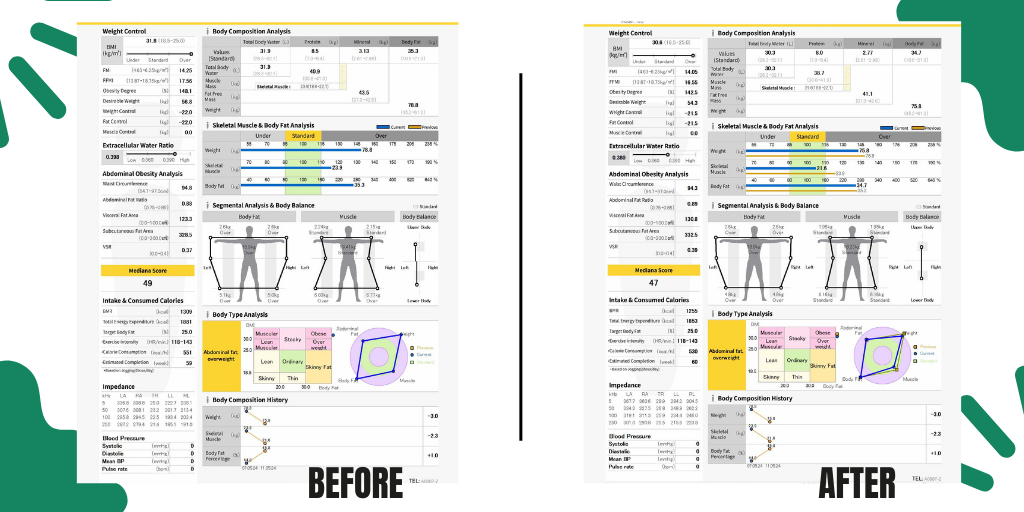
Because this case primarily used body composition scans rather than public numerical reporting, only broad patterns are described here.

Body composition and weight

  • Her body composition reports before and after the programme showed modest reductions in overall weight and body fat percentage, with a slight improvement in waist and hip measurements.
  • Muscle mass was largely preserved, suggesting that most change came from fat and fluid, not lean tissue.

These shifts are meaningful for one guest over a short period but should be interpreted as early progress, not a final outcome.

Symptoms, function and self-perception

The guest reported that:

  • Bowel movements became more regular and easier to pass
  • Episodes of bloating and abdominal discomfort reduced
  • Knee pain and cervical stiffness eased enough to make daily walking and home tasks more comfortable
  • Energy through the day felt steadier, with less afternoon slump
  • She felt more hopeful and less critical of her body, and more willing to continue healthy routines at home

She expressed appreciation for having a clear structure and consistent guidance rather than trying to manage everything alone.


Post-stay recommendations and follow-up

To sustain gains after leaving the retreat, the team advised:

  • Continuing a simplified version of the therapeutic diet at home, adapted to local foods
  • Maintaining regular meals and avoiding long gaps followed by heavy late-night eating
  • Practising a short sequence of joint-friendly yoga postures most days, plus regular walking
  • Keeping up breathing exercises or a brief relaxation practice in the evening
  • Scheduling regular check-ins with her endocrinologist for thyroid hormone review and with her primary doctor for weight and joint health monitoring

She was reminded that meaningful weight management with hypothyroidism is often a long-term process, and that the retreat is one stepping stone in that journey.


What this case suggests

This single case cannot be used to predict outcomes for all women with long-standing weight gain or hypothyroidism. It does suggest that:

  • A short, structured stay focusing on digestion, movement, joint care and emotional support can help some guests restart weight management efforts.
  • Addressing bowel habits, meal timing and stress together may improve comfort and energy, even when only modest weight loss occurs.
  • Collaboration between retreat-based programmes and ongoing endocrine care is crucial for safe, realistic progress in hypothyroid-related weight concerns.

Guests with thyroid disease, joint problems or other chronic conditions should discuss retreat plans with their treating doctors before travelling.


FAQ: Weight management and hypothyroidism at Fazlani Nature’s Nest

Start Your Wellness Journey at Fazlani Nature's Nest!

Contact us to explore our exclusive wellness packages

Wellness Retreat Booking