

So, what are hormones? Hormones are the body’s chemical messenger, which travels around your bloodstream carrying important information for performing basic to critical human functions.
At this juncture, it is important to introduce to you Ayurveda, the ancient science for physical and emotional well-being. It classifies PCOS as a kapha disorder. Arthava Dhatu is the tissue which is responsible for reproduction in a woman’s body, and the channel that carries the reproductive fluid is called. Excess kapha blocks the natural balanced flow of these fluids and channels, which causes PCOS. Movement is obstructed, metabolism is suppressed, and PCOS symptoms can arise.
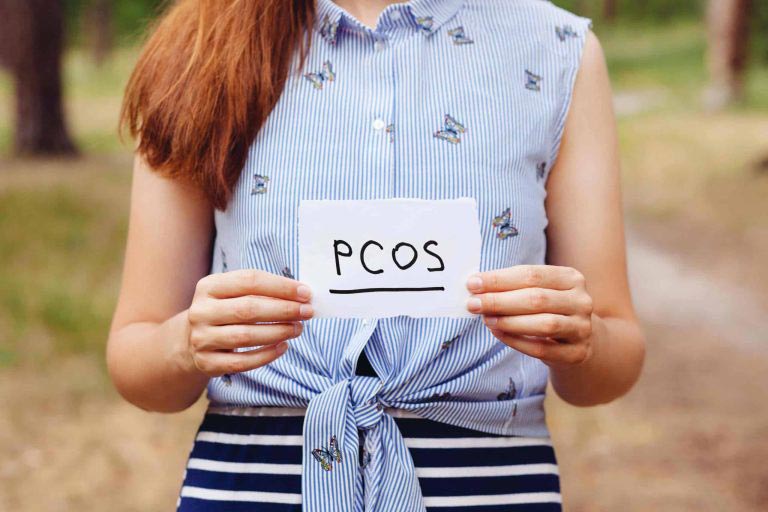
Understanding PCOS/PCOD
The symptoms of PCOS/PCOD can vary widely among individuals, but common ones include:
- Irregular Menstrual Cycles: Mostly seen in the form of missed or prolonged periods.
- Ovulation Issues: Irregular or absent ovulation, which can impact fertility.
- Hirsutism: Excessive hair growth on the chest, face, back or other body parts due to elevated androgen levels. It affects almost 4–11% of women.
- Acne and Oily Skin: Elevated androgens can lead to acne and oily skin.
- Ovarian Cysts: Procedures like ultrasonography can help detect cysts, typically fluid-filled sacs that can develop within an ovary or on its outer surface.
- Hirsutism: Excessive hair growth on the chest, face, back or other body parts due to elevated androgen levels. It affects almost 4–11% of women.
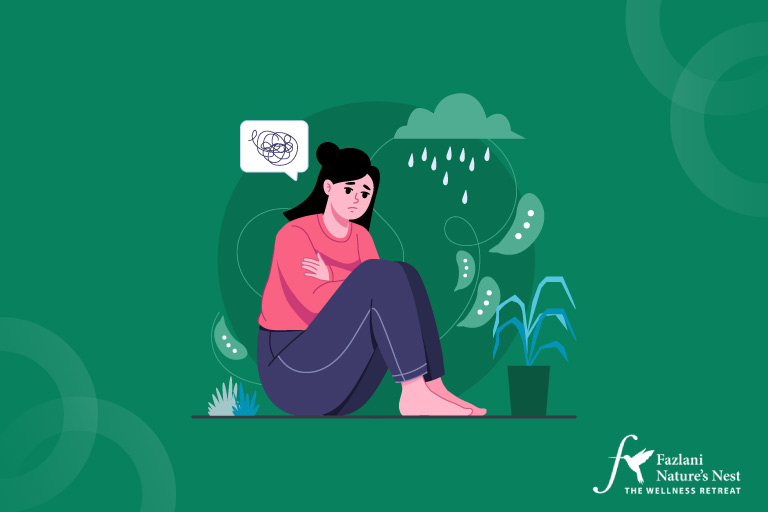
- Mood Changes: An individual might experience mood swings, anxiety, or depression.
- Sleeping disturbances: Observed in women with PCOS is a lack of sound sleep. They might suffer a condition called ‘Obstructive Sleep Apnoea’ or OSA, a state where the airway becomes blocked many times during sleep.
Ayurvedic Principles for Hormonal Balance:
Balance Your Hormones Naturally and Discover Personalized Ayurvedic Treatments Today.
Ayurvedic Treatments For PCOS/PCOD
1. Herbal Remedies and Treatments
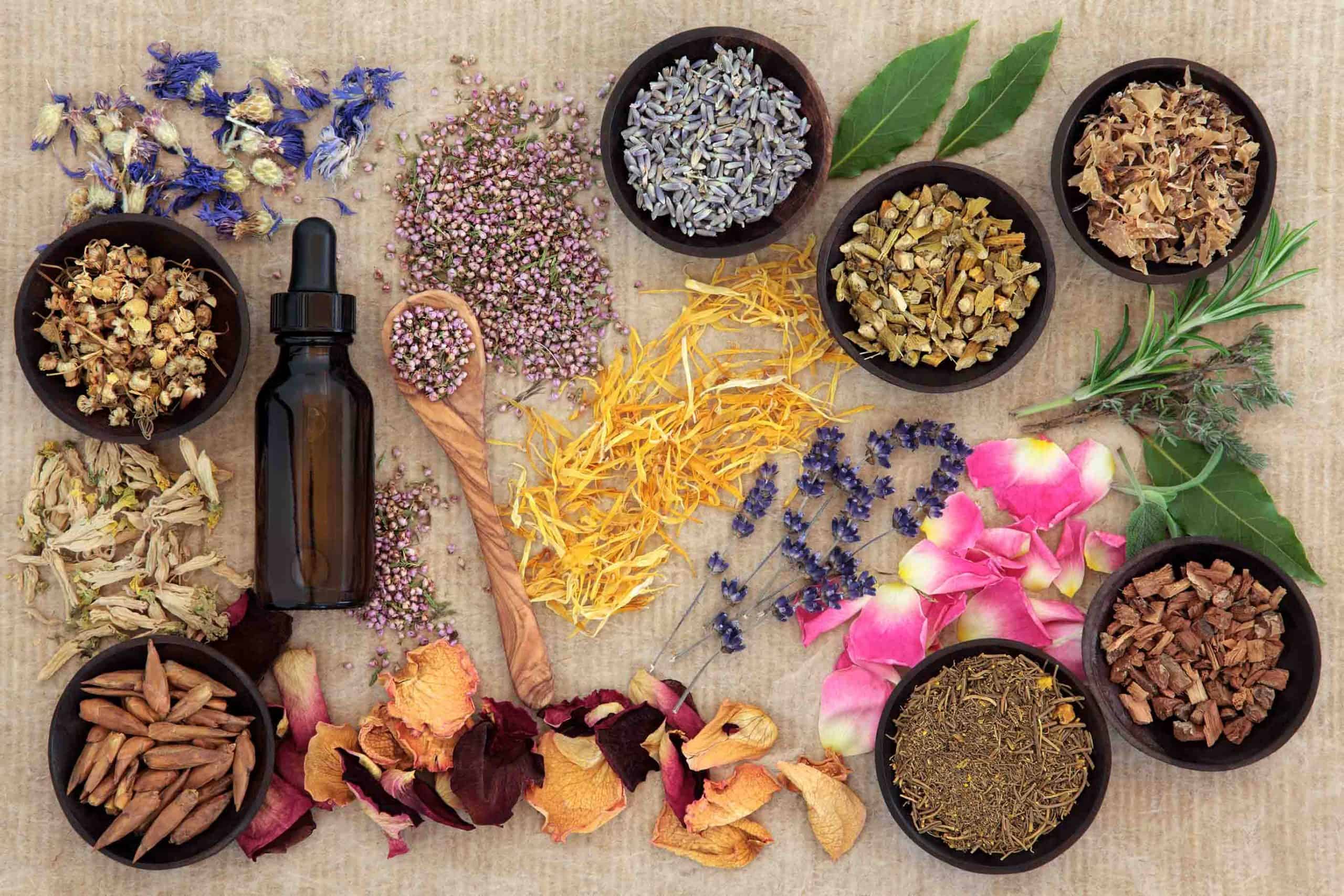
- Shatavari: It supports reproductive health, menstrual regularity, and fertility.
- Ashoka: It helps manage excessive bleeding and menstrual disorders.
- Lodhra: An effective remedy for conditions like excessive bleeding and inflammation.
- Triphala: For detox and improved digestive health
- Guggul: Regulates insulin levels in conditions like PCOS.
- Bala: For strength and vitality.
- Aloe Vera: Helps reduce vaginal dryness and inflammation.
- Fenugreek: Balances hormones and aids lactation.
2. Yoga and Exercise for Hormonal Health

Yoga Asanas:
- Supta Baddha Konasana and Bharadvajasana help with pelvic openness and digestion.
- Dhanurasana and Bhujangasana strengthen the back and may aid ovarian health.
- Sarvangasana enhances pelvic blood flow and hormonal balance.
- Padmasana and Siddhasana are useful for relaxation and stress reduction.
Pranayama:
- Bhastrika Pranayama boosts metabolism and hormonal balance.
- Anulom Vilom regulates the endocrine system and reduces stress.
- Kapalabhati aids digestion and detoxification.
- Brahmari Pranayama and Ujjayi Pranayama soothe anxiety and stress.
Remember to practise consistently, adapt poses to your energy levels, and seek guidance from a qualified instructor. Yoga and pranayama should complement medical care for comprehensive PCOS/PCOD management.
3. Stress Management and Mindfulness
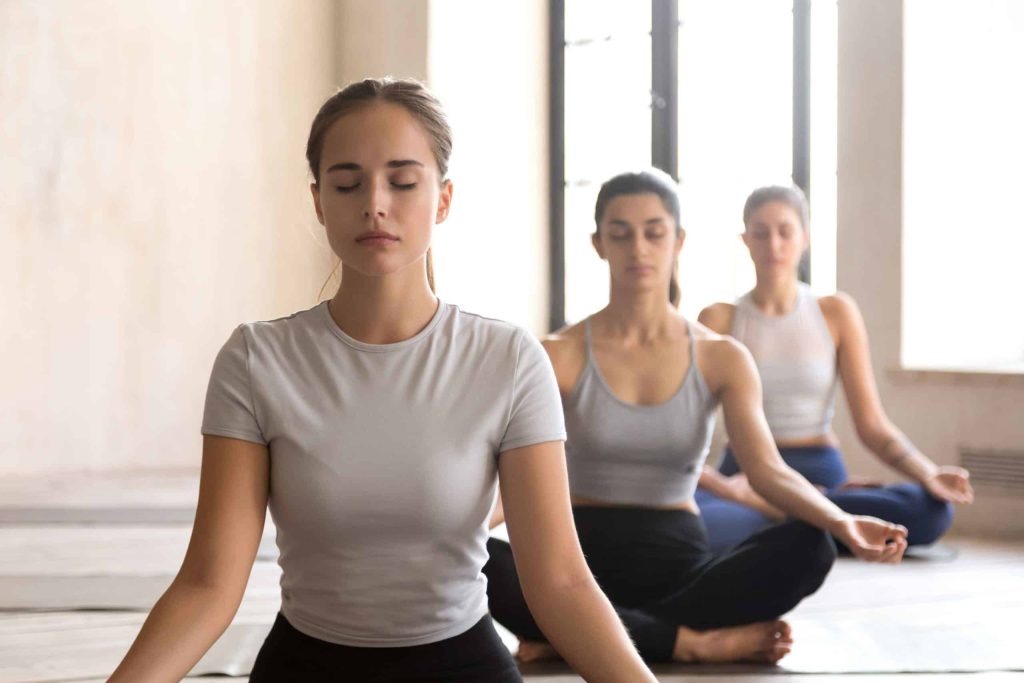
Emotional health and hormonal balance have a direct correlation. High stress levels, anxiety, and emotional distress can disrupt the endocrine system, ultimately leading to hormonal imbalances. Which in turn can lead to various health issues, including but not limited to irregular menstrual cycles, fertility problems, mood swings, and insomnia. If you are facing sleeplessness, you should not ignore it as it can lead to a host of other issues. Try our sleep enhancement wellness program to overcome the obstacles between you and a good night’s sleep.
Ayurveda promotes stress reduction and emotional balance through daily routines (Dinacharya), a balanced diet (Sattvic), and herbal remedies like Ashwagandha and Brahmi. Mindfulness techniques such as meditation, mindful eating, breath awareness, journaling, nature connection, and self-compassion are crucial for women’s overall well-being. Understanding the emotional-hormonal link is essential for holistic health.
4. Consultation and Individualised Approach
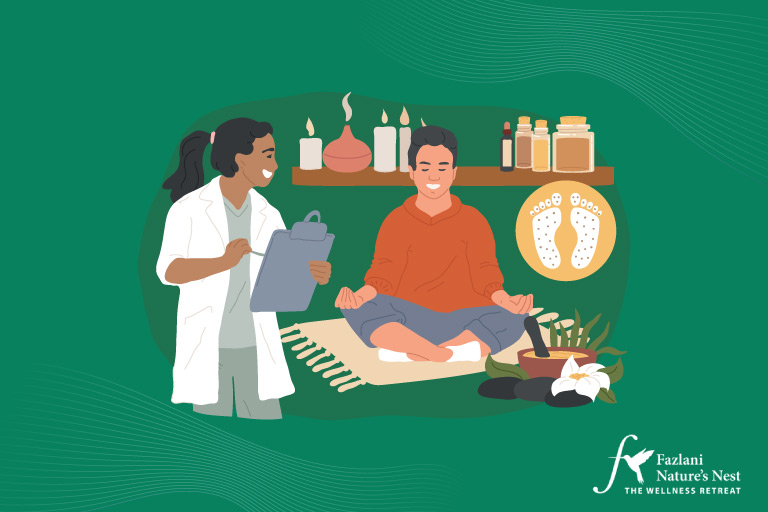
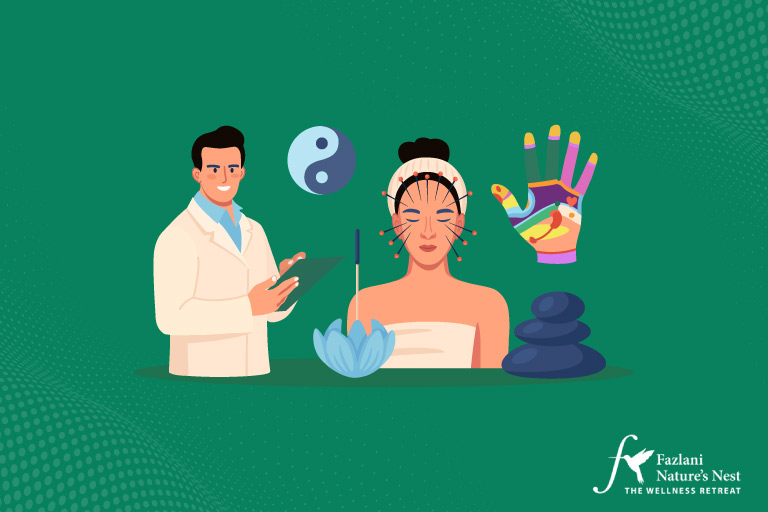
At Fazlani Nature’s Nest, we have the best ayurvedic practitioners offering personalised guidance and therapy for PCOS. Our Ayurvedic Panchakarma therapy offers various safe and effective treatments for improving your health and well-being.
Our expert therapists and Ayurvedic healers provide holistic treatments based on your needs and physical health. We also help you to heal and recover faster, so you can go back to your normal life without any issues.
Conclusion
Ayurveda views health as a balance of body, mind, and spirit. It recognises that physical health is interconnected with emotional and mental health and addresses the root causes of conditions like PCOS/PCOD rather than just suppressing symptoms.
A person seeking PCOS natural treatments will be better off with Ayurveda as it is a slow-paced treatment but highly effective. For those dealing with conditions like PCOS/PCOD, incorporating Ayurvedic principles into one’s lifestyle under the guidance of qualified practitioners can complement conventional healthcare and promote a balanced and harmonious life. If you are looking for holistic ayurvedic therapies for PCOS and PCOD, book a retreat to our wellness retreat centre in India today.